
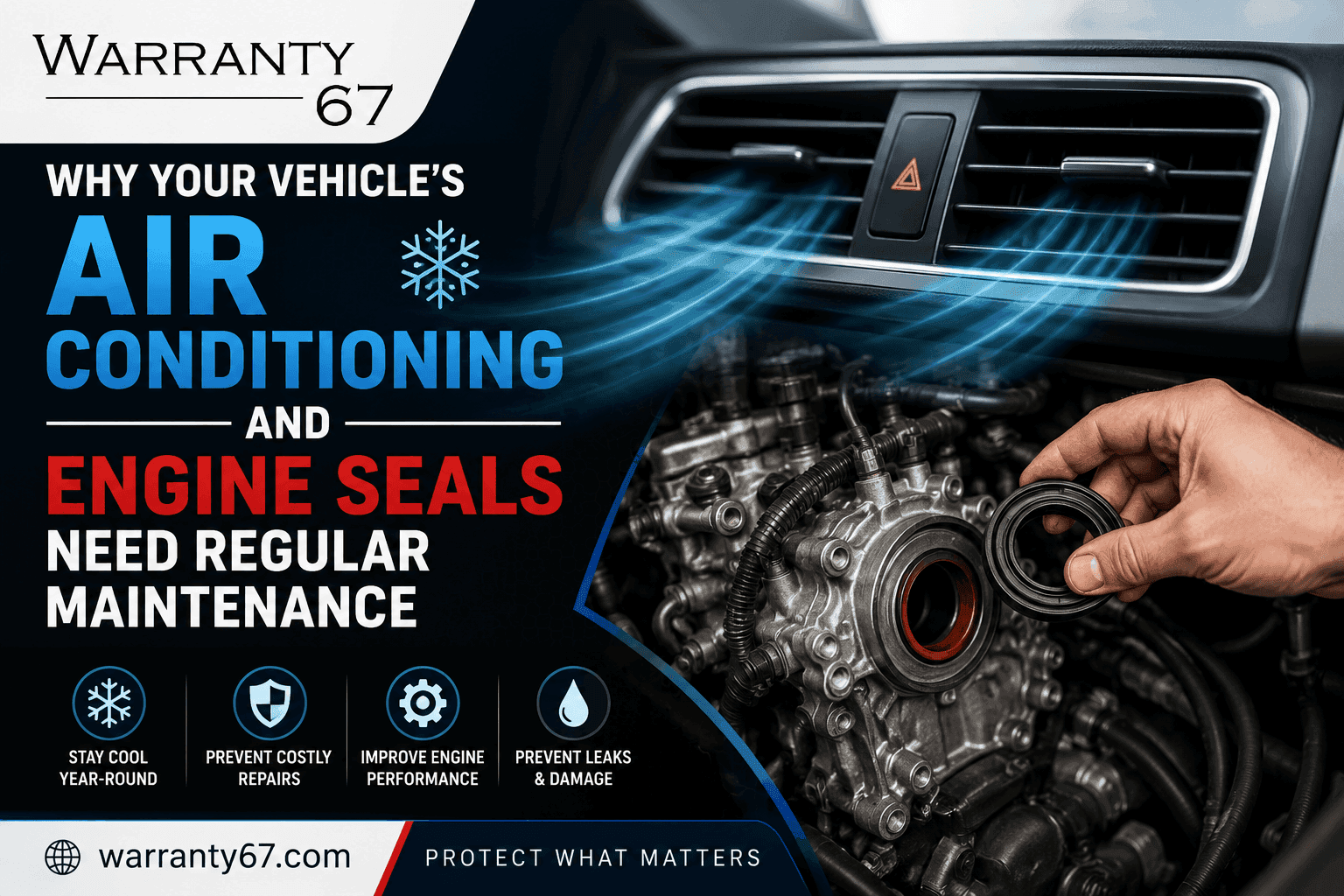
Your car is made up of hundreds of parts that work together to give reliable performance, comfort and safety. The air conditioning system and seals and gaskets that keep your engine protected from leaks and contaminants are two of the most ignored systems. Drivers often get notified when the air conditioning stops cooling or an oil patch shows up under the car, but these problems usually develop long before any warning signals are visible.
Routine car maintenance can catch problems early, helping to avoid costly engine repairs, unexpected breakdowns and uncomfortable driving. If you drive to work every day or take long road trips, maintaining these systems can make your car more dependable and cost you less money in repairs over the long haul.
Understanding Seals and Gaskets
Seals and Gaskets are crucial components that keep oil, coolant, refrigerant and other fluids from seeping out of your car. They also protect dirt, moisture, and pollutants from entering critical engine systems.
Common engine seals and gaskets include:
- Valve cover gasket
- Head gasket
- Oil pan gasket
- Crankshaft front and rear gaskets
- Seals for camshafts
- Intake manifold gasket
These parts are subjected to severe temperatures, pressure, vibration and engine fluids constantly. Rubber and composite materials are subject to natural degradation over time, increasing the danger of oil leaks and engine damage.
Why Your Air Conditioner Needs Service
Your car’s air conditioning system is about more than just keeping the cabin cool. It also helps to eliminate humidity, enhances the defogging of windshields and provides a more comfortable drive.
The system contains the following main components:
- AC compressor
- Condenser
- Evaporateur
- Expansion valve
- Refrigerant tubes
- Gaskets and O-rings
When one component starts to fail, the whole system can become less efficient or even fail.
Common Warning Signs
| Engine Seals and Gaskets | Air Conditioning System |
| Oil leaks under the vehicle | Warm air from the vents |
| Burning oil smell | Weak airflow |
| Low engine oil level | Strange noises when AC is on |
| White exhaust smoke | AC compressor cycling frequently |
| Engine overheating | Refrigerant leaks |
| Coolant leaks | Bad odors from vents |
Ignoring these symptoms can result in much higher repair bills later.
How Bad Maintenance Increases Car Repair Costs
Small maintenance concerns can easily turn into big repairs if they aren’t taken care of.
For instance:
- A little leak in a gasket can potentially cause serious engine overheating.
- If an engine seal is worn, it can allow oil to seep onto other parts and cause more damage.
- Failing AC compressors can shoot metal debris all over the air conditioning system, raising replacement expenses.
- Refrigerant leaks increase compressor work and reduce compressor life.
Routine inspections can catch these issues before they become pricey.
Maintenance Schedule for Better Vehicle Performance
The following maintenance intervals can help extend the life of both systems.
| Component | Recommended Inspection | Why It Matters |
| Engine seals | Every oil service | Detect leaks early |
| Engine gaskets | During scheduled servicing | Prevent coolant and oil loss |
| AC compressor | Annual inspection | Avoid compressor failure |
| Refrigerant level | Every 1–2 years | Maintain cooling efficiency |
| Cabin air filter | Every 15,000–25,000 km | Improve airflow and air quality |
| Cooling system | Manufacturer schedule | Prevent overheating |
Vehicle maintenance schedule can significantly reduce unexpected repair expenses.
The Cost of Ignoring Maintenance
Many drivers delay repairs because a small leak or weak cooling doesn’t seem urgent. Unfortunately, postponing maintenance usually results in much higher car repair costs.
| Problem Ignored | Possible Result | Estimated Repair Cost* |
| Minor oil leak | Engine damage | $500–$5,000+ |
| Worn head gasket | Complete engine repair | $1,500–$4,000+ |
| Refrigerant leak | AC compressor failure | $800–$2,500+ |
| Failing AC compressor | Full AC system replacement | $1,200–$3,000+ |
| Coolant leak | Engine overheating | $1,000–$6,000+ |
Actual repair costs vary depending on vehicle make, model, labor rates, and parts.
Preventive Maintenance Adds Money to Your Pocket
Preventive maintenance is usually less expensive than emergency repairs.
Benefits:
- Lower vehicle repair expenses
- Increased engine life
- Improved fuel efficiency
- Enhanced cabin comfort
- Reduced chance of roadside breakdowns
- Better resale value
- Improved overall vehicle reliability
Through regular checks, technicians can repair old seals or recharge the air conditioning system before serious breakdowns occur.
How an Extended Car Warranty Will Save You Money
Even with the best upkeep, mechanical parts will wear out. Unexpected repairs can be costly. An extended car warranty or vehicle protection plan can help soften the financial blow.
Depending on your coverage, a protection plan can help cover the cost of repairs such as:
- Engines parts
- Sealed and gasketed
- Components of air conditioning system
- Compresor de AC
- Parts of cooling system
- Electrical systems.
- Parts for transmission
Look closely at your coverage to find out what repairs are covered and any maintenance requirements to keep the plan active.
Best Practices: Reliability over Time
To keep your vehicle running efficiently:
- Check routinely for oil leaks.
- Have your air conditioning serviced before summer.
- Change worn seals and gaskets as needed.
- Fix refrigerant leaks swiftly.
- Watch for strange compressor or engine noises.
- Keep the machine serviced in accordance with the manufacturer’s timetable.
- Respond to warning lights right away.
- Maintain records of maintenance for warranty issues.
These basic behaviours will prevent costly failures and enhance overall vehicle performance.
Final Thoughts
Your vehicle’s seals and gaskets, and air conditioning system enhance performance and comfort. These parts are typically overlooked until something goes wrong, but regular vehicle maintenance can help you avoid costly engine repairs, keep your auto repair prices down and add years to the life of your vehicle.
With routine maintenance and a comprehensive vehicle protection plan or extended car warranty, you have the added piece of mind that you are protected against unexpected repair costs. Investing in preventative care today can save you thousands of dollars in future repairs and keep your vehicle reliable for years to come
Frequently Asked Questions
1. How can I tell if my engine seals and gaskets need to be replaced?
Symptoms include oil spots underneath the car, a burning oil smell, low engine oil levels, engine overheating or seeing the fluid leaking out. Seals and gaskets that are worn should be replaced early to avoid costly engine repairs.
2. How often should I have my car’s air conditioning serviced?
It is suggested that your air conditioning system be checked at least once a year. Routine maintenance involves checking refrigerant levels, testing the AC compressor, and finding leaks to guarantee optimum cooling performance.
3. How can regular vehicle maintenance help in reducing auto repair cost?
Yes. Vehicle maintenance is routine and it helps technicians find tiny problems before they become big problems. That helps to lower auto repair costs, makes vehicles more reliable and extends the life of essential components.
4. What is an extended automobile warranty and how does it benefit?
An extended auto warranty is a protection package that helps pay for some mechanical repairs after the manufacturer’s warranty expires. Depending on coverage it may include engine, air conditioning system and other important car system components.
5. What is a car protection plan and why should I consider it?
A car protection plan is a financial shield against unexpected repair bills. It can help you control the cost of covered repairs, minimise your out-of-pocket spending, and provide you with further piece of mind as your car ages.