
Difference between a turbocharger and a supercharger, and which one is better for your car?
More and more new cars come with advanced forced-induction systems that are meant to make the engine run better, consume less petrol, and make driving more enjoyable. Turbochargers and superchargers are two of the most common ways to boost the power of an engine. They both do the same thing: they let more air into the engine so it can burn more gas. They do, however, work in different ways and have different problems with maintenance and warranties.
Car owners need to know the difference between a turbocharger and a supercharger, especially when they think about how long the car will survive, how much it will cost to fix, and how much an extended warranty is worth.
What is the job of a turbocharger?
A turbocharger turns a turbine with the engine’s exhaust gases. This sends more air into the engine’s combustion chamber. This technology makes the engine stronger and more efficient without making it much bigger.
Turbochargers are common in modern cars, SUVs, and trucks since they make the automobile more powerful and save gas at the same time. But turbocharged engines have to function at very high temperatures and pressures, so they need to be maintained clean and well-oiled.
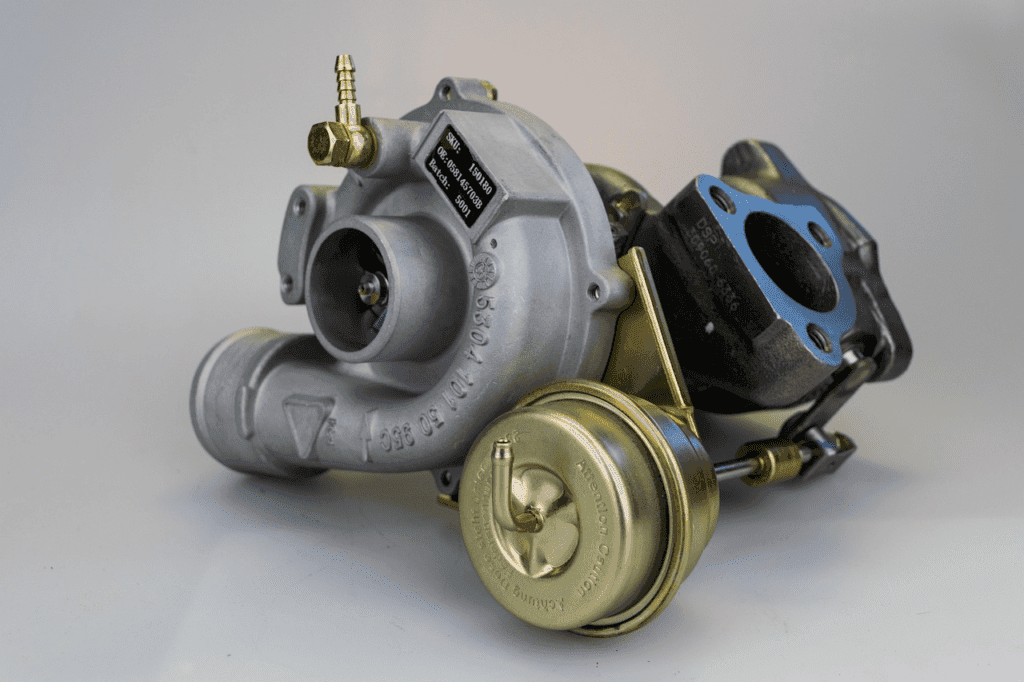
Some of the main benefits of turbochargers are:
- Better gas mileage
- More power for the engine without making it bigger
- Fewer emissions than engines that use natural gas
- A lot of recent autos use it.
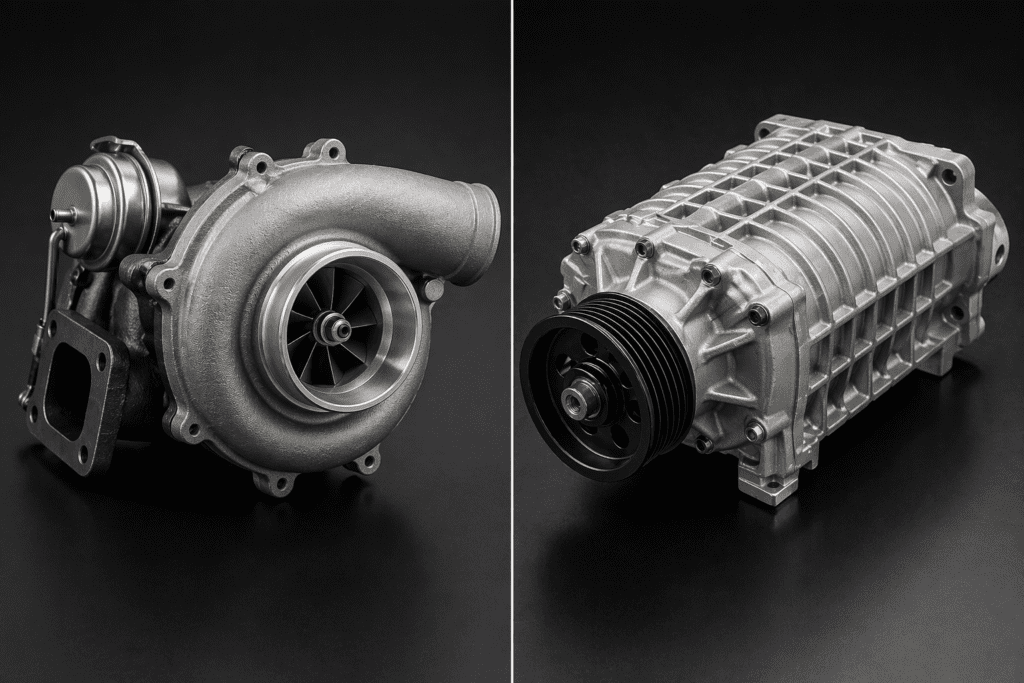
Turbocharger vs Supercharger: Key Differences
| Feature | Turbocharger | Supercharger |
|---|---|---|
| Power Source | Exhaust gases | Engine belt |
| Fuel Efficiency | Higher | Moderate |
| Power Delivery | Slight delay (turbo lag) | Instant response |
| Maintenance Needs | Moderate to high | Moderate |
| Typical Use | Everyday vehicles | Performance vehicles |
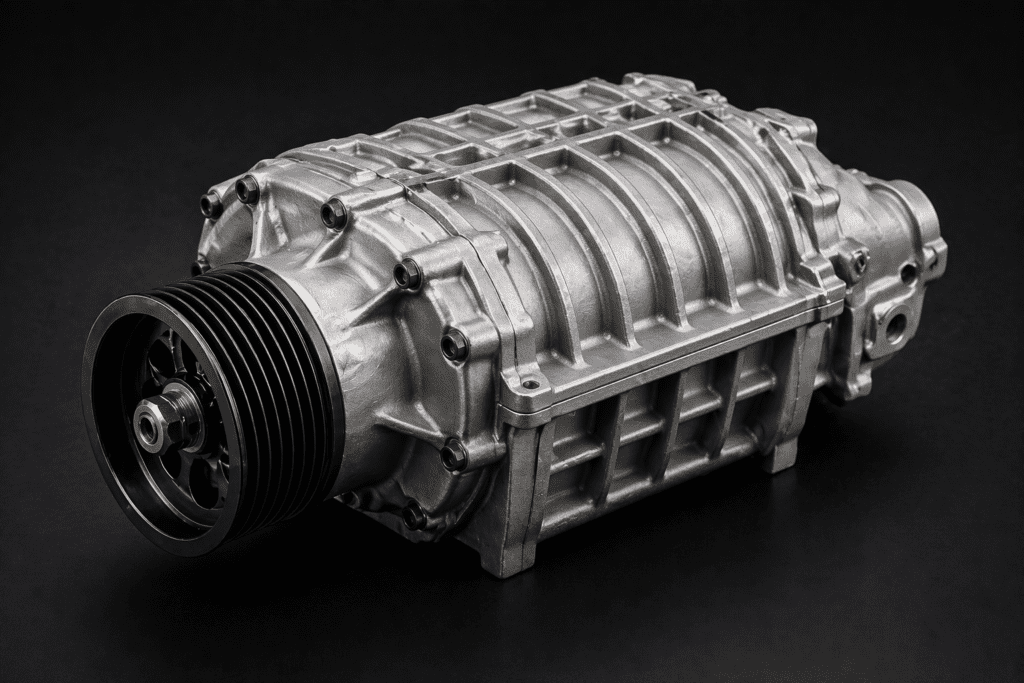
What Is a Supercharger?
A belt connects the crankshaft of the engine to the supercharger, which gets its power from the engine. It doesn’t employ the gases that come out of the exhaust like a turbocharger does. This direct connection allows the supercharger transfer power right away, which makes it go quicker.
People who drive high-performance cars, muscle cars, and heavy-duty vehicles commonly employ superchargers because they need quick throttle response. They give you constant power, but they could make your automobile consume more gas because they put greater stress on the engine.
The main benefits of superchargers are:
- Power delivered right away
- Better ability to speed up and tow
- Works well even when it's under a lot of stress
- Easier to understand mechanical design
Why Warranty Coverage is Important for Forced-Induction Systems
Turbochargers and superchargers work at very high speeds, pressures, and temperatures. Over time, parts like bearings, seals, and compressors can wear out or break. It can cost a lot of money to maintain or replace these systems, usually between hundreds and thousands of dollars.
The extended car protection plan from Warranty67 protects drivers from unexpected mechanical difficulties. You can relax knowing that your coverage covers critical engine parts and systems that are connected to them. You also know how much repairs will cost.
A strong warranty can minimize your financial risk and keep your automobile functioning well, no matter what kind of charger it has.
FAQ
Neither is better for everyone. Turbochargers are more common in modern cars and use less gas. Superchargers, on the other hand, give you instant power and are often used in performance applications.
Yes, in a lot of cases. Turbochargers run at higher speeds and temperatures, which can make repairs harder and more expensive.
Most comprehensive vehicle service contracts cover forced-induction components, including turbochargers and superchargers, depending on the plan and provider.
With proper maintenance, both systems can last 100,000 to 150,000 miles or more. Regular oil changes and inspections are critical for longevity.
Common causes include:
- Poor lubrication
- Oil contamination
- Overheating
- Excessive engine stress
- Lack of regular maintenance